





Credit cards for bad credit
How to cut debt costs & borrow cheaply if you've a poor credit history

Bad credit credit cards are for those with a poor or limited credit history, including those with CCJs, defaults or past bankruptcies, particularly those who've existing debts or those who need to borrow for a planned, affordable, one-off purchase. This guide explains how these cards work, how to choose the best one for you, and how to use them safely to cut debts, access cheap borrowing & improve your credit record.

First, a quick overview of credit cards for bad credit...
Who they’re for: People with a poor or limited credit history, including those with CCJs, defaults or past bankruptcies, particularly those who've existing debts or those who need to borrow for a planned, affordable, one-off purchase.
How they work: These cards allow those with patchier pasts to access 0% periods for balance transfers and/or spending, meaning you'll pay no interest on existing debts and/or new borrowing for a number of months. As they're designed for those with poorer credit histories, they're easier to get, but have lower credit limits, higher interest rates and shorter 0% periods than 'standard' credit cards.
Next steps: Use our eligibility calculator for 0% balance transfers or for 0% spending to see your chances of acceptance for top cards, with no impact to your credit file, so you can home in on your top card.
Bank | 0% period & transfer fee |
|---|---|
DEFINITE 22mths with 2.9% fee | |
Up to 15mths with 3% fee | |
DEFINITE 9mths with 3% fee |
Links go via our eligibility calculator.
Bank | 0% period |
|---|---|
DEFINITE 6 months 0% | |
DEFINITE 4 months 0% |
Links go via our eligibility calculator.
If you do get a card, ALWAYS follow the Golden Rules:
a) Never miss the minimum monthly repayment, or you could lose the 0% deal.
b) Clear the card before the 0% ends, or the rate rockets to the higher APR.
c) To avoid hefty fees and interest, don't withdraw cash.
d) If you don't transfer at application, you've usually only 60-90 days to get 0% deal.Use the card correctly. If using the card to slash debts (ie 0% balance transfers), don't spend on the card. If using it for new purchases (ie 0% spending), set up a Direct Debit to repay IN FULL each month and don't spend after the 0% period ends.
What is a credit card for bad credit?
A bad credit credit card is just a credit card that's specifically aimed at those with patchier pasts, so they're easier to qualify for than 'standard' credit cards. Many of these cards accept people who have CCJs, defaults or past bankruptcies.
The best ones offer 0% periods for balance transfers and/or spending, meaning you'll pay no interest on existing debts and/or new borrowing for a number of months. The trade off is that they tend to have lower credit limits and higher interest rates, plus shorter 0% periods.
-
Use a 0% balance transfer card if you've existing credit card debt. This is where you get a new card that pays off old cards for you, so you owe it instead, but interest-free for a set period. This means more of your repayments clear the actual debt. You'll usually pay a small transfer fee for the privilege.
-
Use a 0% spending card if you need to borrow for a planned purchase. This is where you get a number of months where no interest is charged on new purchases. There's no cheaper borrowing over the medium term.
What causes someone to have a bad credit history?
Every adult has a credit history, which is a record of how well you've managed credit in the past (eg credit cards, store cards, loans). Other lenders then use this record when you apply to determine how risky you are to lend to. A bad credit record means you've made a few mistakes in the past, such as missed or late payments, defaults, CCJs or bankruptcy, so you're seen as a higher risk and some lenders may not accept you.
That's where bad credit credit cards come in. These cards could be a financial lifeline as – used correctly – the 0% periods they offer can give you time to tackle your debts without worrying about interest payments, and/or access interest-free borrowing in a time of need.
How do I use a bad credit credit card?
Use these cards correctly and you should see an improvement to your credit file after around six months, which should make it easier to access other, stronger credit products in the future (eg a mortgage, loan or better credit card). When it comes to spending on the card...
-
0% balance transfers: Don't use the card at all or you'll be charged expensive interest.
-
0% spending: ONLY use the card during the 0% period or you'll pay expensive interest.
And ALWAYS follow the credit card golden rules...
a) Set up a Direct Debit to repay AT LEAST the minimum monthly repayment.
b) Clear the card before the 0% ends, or you'll be charged expensive interest.
c) To avoid hefty fees and interest, don't withdraw cash.
d) If you don't transfer at application, you've usually only 60-90 days to get the 0% deal.
Try our free Credit Club
Sign up to MSE's Credit Club to boost your credit power – access our free tools to see how the financial world views you, including:
An Eligibility Rating that combines your credit score, affordability & market trends.
View your full credit report – your financial CV.
Get personalised acceptance odds for credit cards and loans.
How do I apply for a bad credit credit card?
Applying for a credit card with bad credit is simple, but you should take steps to improve your chances and avoid harming your credit record. Always check your eligibility before applying as rejected applications can lower your score. Here are the key steps to follow...
-
Check your credit reports for errors. Before you start, always check your credit reports for any errors as this could be incorrectly damaging your rating (and may impact which cards you can get).
-
Use an eligibility calculator before applying. Regardless of whether you need to slash existing debt costs or need new borrowing, use our credit card eligibility calculator for 0% balance transfers or for 0% spending to see your chances of acceptance for top cards, with no impact to your credit file.
We make it clear in the results which cards are for those with poorer credit histories. These cards have shorter 0% periods than the top cards, so if our eligibility calc shows you've strong acceptance odds for one of those, it'll likely be worth going for. -
Compare cards designed for bad credit. If you've existing debts, look for the longest 0% balance transfer periods with the lowest fees. If you need new borrowing, look for the longest 0% spending period.
-
Apply for one card only. Multiple applications in a short time can harm your credit record and reduce your chances of approval.
-
Set up a Direct Debit from day one. If you can afford it, divide your debt by the number of 0% months and set that as your monthly payment. If not ensure you pay back AT LEAST the minimum repayment.
If you're struggling to keep up with debt repayments, or are building up more debt just to pay for day-to-day expenses, see our Persistent Debt Help guide for support, including how to move existing debt to 0% and where to get free one-on-one debt help.
Top poor-credit 0% balance transfer cards
For 0% balance transfer cards, go for the LOWEST FEE within a 0% time long enough to clear the debt. Longer balance transfers usually have a bigger one-off fee to transfer. So if you've a choice and can clear debt quicker, go for a shorter deal to minimise fees. If you're unsure, go long. Full info & longer options (if your creditworthiness improves) in 0% balance transfers.
The interest rates after the 0% periods end are VERY expensive, so plan how much to shift. All the cards below charge up to 49.9% rep APR after the 0% periods end, so compare that against your current card's interest rate. If your current card's rate is higher, then shift as much debt as possible. If it's lower, then only shift the amount of debt you're sure you can clear within the 0% period.
Our eligibility calc will tell you the 0% deal you'll get before you apply – it could be anywhere up to 15 months.
It has a low annual income requirement of £5,000 and accepts some with past CCJs, IVAs or bankruptcies (provided they're over 3 years old). You'll also need a year's UK address history and a UK bank account.
Up to 15mths 0%, 3% fee (49.9% rep APR after 0%)
This card is only available via our eligibility calc.
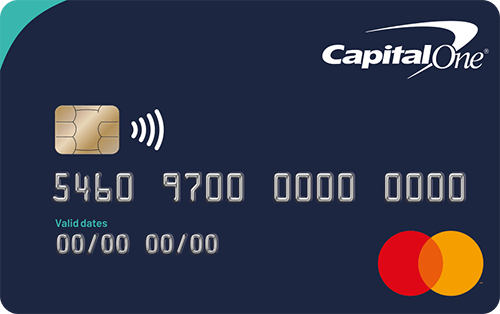
Capital One accepts some with a history of past defaults, County Court Judgments (CCJs) and bankruptcies. This card also accepts likely twice as many applicants as the cards above so could be a winner despite the shorter 0% length.
Definite 9mths 0%, 3% fee (34.9% rep APR after 0%)
Top poor-credit 0% spending cards
For 0% spending cards, go for the LONGEST 0% period. Choose a 0% period long enough to repay the planned, essential spending you need the card for. Full info & longer options (if your creditworthiness improves) in 0% spending.

What do I do if I've been declined for a credit card?
If no credit card is likely to accept you, or you’ve been declined, it usually means your credit rating isn’t strong enough right now. Don’t keep applying as multiple rejections in a short period can damage your credit record further. You have two main options:
1. Wait and rebuild your credit history. Give your past issues time to become less recent. In the meantime, keep making all existing repayments on time, as this will help. You can track your progress with free tools – see how to check your credit report for free.
2. Try a credit-builder product. These give you something that acts like credit, where you make regular payments that get reported to credit reference agencies. Yet if you miss a payment, that'll be reported too, so only do this if you're absolutely sure you'll be able to make all the payments, otherwise you'd end up in a worse position than just having waited.
But how effective these products are is up for debate. In Nov 2025, the Financial Conduct Authority said it found little evidence they significantly improved most people’s credit files.
Still, if you understand the risks and want to try one, is one of the better-known examples and there’s a free way to use it (click the link for full info).
How do I check my credit score for free?
There are three credit reference agencies which hold your credit reports and give you free access to your credit report and score: Equifax, Experian and TransUnion. It's best to check all three reports, because lenders may check one, two or all three when you apply for credit.
-
TransUnion – use MSE Credit Club, which gives you free access to your TransUnion report (amongst a lot of other things).
-
Experian – use Experian's CreditExpert* free 30-day trial, but you'll have to cancel before the end of the trial to avoid the ongoing £14.99/month fee. If you've already had the free trial, you can get Experian's free statutory credit report.
-
Equifax – use Clearscore*, which provides free access to your Equifax report.
While your credit score is a good general indicator of how well you're doing, it's not the be all and end all, as it doesn't take in to account other things lenders will know about you when you apply for credit, such as your application data. Your credit score will go up for things like making payments on time and down for things like being late or defaulting on a loan
So, by all means monitor your credit score as it's a decent way to easily keep track, but don't assume that once your credit score's "excellent" that you'll get accepted for any and all credit – that's just not how it works.
See our How to check your credit report for free guide for full help and our Credit Score guide for more tips on how to improve your overall creditworthiness.
Bad credit credit card FAQs
Still have questions? Here are some of the most common questions MoneySavingExpert.com receives. We've split them into two sections – first it's FAQs relating to bad credit credit cards in general, then it's FAQs for 0% balance transfer and 0% spending cards.
What are the easiest cards to get with bad credit?
There’s no single 'easiest' card to get as each credit card provider has its own criteria to determine who it will and won't accept, based on income, your credit history (eg, loans, mobile phone contracts, other cards) and how you'll use the card.
Cards in this guide are designed for poorer credit scorers, and many will often accept those with CCJs, defaults or past bankruptcies where standard cards wouldn't.
Use the MoneySavingExpert Credit Card Eligibility Calculator to see your personal acceptance odds before applying.
Do bad credit credit cards really improve your score?
Yes, if used correctly. Spending small amounts and repaying on time (ideally IN FULL each month) shows lenders you can manage credit responsibly. This positive history is reported to credit reference agencies and can improve your score within six to 12 months.
How long does it take to rebuild credit with a credit card?
This varies, but usually people see improvements within about six months, assuming they have made consistent, on-time repayments. Serious issues such as defaults or bankruptcy can take a lot longer to fully drop off your file.
Can I get a bad credit card with no credit check?
No, all credit cards you apply for require a credit check. However, you can see your chances before you apply by using our eligibility checker, which won’t affect your credit score.
Will a bad credit card have fees?
Most of these cards don’t have annual fees, but they usually have higher APRs. Avoid paying hefty interest by repaying IN FULL each month and never withdraw cash from ATMs on them as you'll face fees and interest right away.
What’s the credit limit on a bad credit card?
A feature of bad credit cards is they usually start with low credit limits, say £200 to £500. However, if you do manage the card responsibly and show you can repay on time, you may be able to get the limit increased over time.
Are there alternatives to bad credit credit cards?
Yes. If you can’t get accepted for a credit card, or you’d rather avoid one, there are other ways to build or rebuild your credit record:
-
Prepaid cards with credit reporting: Some prepaid cards offer optional add-ons that report monthly payments to credit agencies.
-
Regular bills & contracts: Paying mobile phone contracts, utilities or broadband on time also helps build your credit history.
-
Becoming an authorised user: In some cases, being added to a family member’s or partner’s card (if they’ve good credit) can help strengthen your record.
These options won’t give you a traditional credit limit or spending power like a credit card, but they can be useful stepping stones to rebuild your score before applying for mainstream credit.
What does APR mean?
APR stands for 'annual percentage rate', and is used by lenders to tell you the cost of borrowing.
Where credit cards are shown as having a 'representative APR', it means only 51% of successful applicants must be given the stated rate. The other 49% could get a different rate (usually higher) – and some people will be rejected altogether.
Lenders must tell you what the APR is before you sign a credit agreement.
If you have a card at a special introductory rate (for example a balance transfer credit card at 0% for 36 months), you won't pay the APR during this time. And if you pay your credit card off in full every month, you won't pay the APR either.
Read more about how interest rates work.
0% balance transfer & 0% spending cards
Should I apply if my eligibility odds are low?
Don't be put off by low acceptance odds. If you're paying high interest on existing debt, it can still be worth applying for a balance transfer card even if the eligibility calculator suggests you're unlikely to be accepted.
The potential savings from a successful application may outweigh the temporary impact on your credit score if you're rejected. The exception is if you're planning to apply for other credit soon, such as a mortgage, where protecting your credit score is usually more important.
For more on this, and what you can do to improve things, see Martin's related blog: Why you shouldn't worry too much about your credit score - it's not actually a real thing.
What if my credit limit isn't big enough?
The application is now on your credit file anyway, so make use of it. Use the new card to shift as much debt as you can to cut costs.
Once that's sorted, you can use our 0% Balance Transfer Eligibility Calculator again to see your chances of acceptance for other providers' cards. Though try to spread future applications out, as too many in a short space of time can hurt.
Can a balance transfer hurt my credit score?
Shifting a balance from one card to another isn't recorded on your credit file, so you're free to balance transfer as many times as you like. However, a footprint is added to your file every time you apply for a new credit card.
Multiple applications, especially close together, and high outstanding debts, even at 0%, can affect your ability to get further credit. See our Credit scores guide for full information. The most important preventative measures are to leave a few months between applications and use our eligibility calculator to check your chances of acceptance, before applying blind.
What if the eligibility calculator says ‘no chance’ for all cards?
It happens, especially if you’ve a poor credit history or lower income (see how to improve it in MSE's Credit Club).
If your existing cards still have spare credit limit, see if you can shift debt from a high-interest card to a cheaper one — some providers even offer existing-customer balance transfer deals (eg, 12mths at 0%).
If that’s not an option, focus on repaying debts in order of highest APR first — it saves you the most in interest. See our credit credit card shuffle for step-by-step help. If none of these are a goer, the priorities are repaying in the right order.
Will transferring a balance close my old card for me?
No. When you transfer debt from one card to another the old card stays open, and you're able to use it if you wish – although if you're trying to pay debt off, it's usually not wise to keep spending on credit.
If you want to close your old card, you will have to let your old card provider know. Just not using the card or cutting it up doesn't close the account. Read full pros and cons of closing old credit card accounts in Should I cancel old cards?
I'm worried about debt. Is a balance transfer card right for me?
Getting a credit card is not always the right thing to do, and if you have a poor credit history or too much debt already, you might be rejected for one (or more) cards anyway.
If you're struggling to pay for your outgoings or meet your debt repayments, or are building up more debt just to pay for day-to-day living, getting another credit card could just add to any debt problems in the longer term. Our full debt help guide runs through the practical steps you can take if you're struggling with debt, including specialist resources and charities you can contact for free one-on-one debt counselling and advice.
What happens at the end of the interest-free period?
When your introductory 0% period ends, you'll start accruing interest on any unpaid balance at the card's APR.
What are the alternatives to a 0% spending card?
Due to long interest-free periods on offer, 0% spending cards are often one of the cheapest ways to borrow. If you can't or don't want to get one of these cards, other options include personals loans, money transfer cards or an overdraft – although beware that these can be a danger debt with interest rates up to a shocking 40% in some cases. Find out more in our Cut overdraft charges guide.
Why can you trust MoneySavingExpert?
MoneySavingExpert.com is the UK’s biggest consumer finance website, founded by Martin Lewis, offering impartial, research-based tips.
The site's dedicated to cutting your bills and fighting your corner with journalistic research, cutting-edge tools and a massive community – all focused on finding deals, saving cash and campaigning for financial justice.
Share this guide?