

How I saved £1,000+ on my annual commute
Including Delay Repay, advance sale fares and ditching booking fees

If you commute by train, even for a few days each week, you'll know the feeling of balking at not only the fares but also the doom of hearing your train is cancelled or delayed.
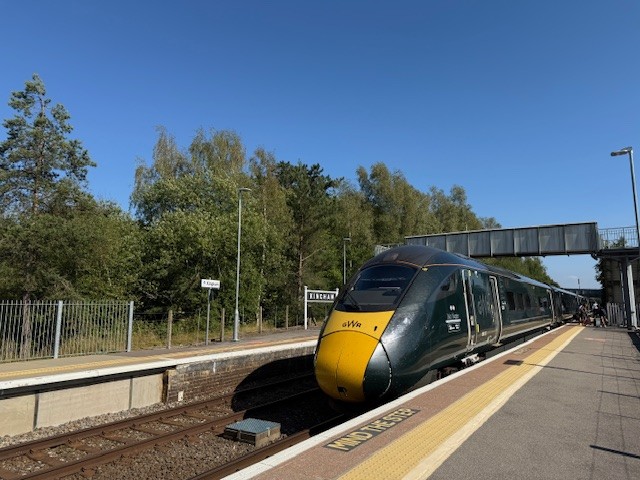
I began commuting to MSE Towers in February 2024, travelling in two days a week from a town in the Cotswolds to London Paddington. It's then a short trip on the Tube to get to the office, but this MoneySaving blog focuses on the main journey, which is with Great Western Railway (GWR).
For a bit of background, I travel to MSE on a 'peak' train at 7.23am. I also mainly travel home on a peak train (at 5.57pm), but occasionally I'm later and in to the cheaper off-peak trains, for example if I've seen friends for dinner or been at the MSE Book Club. It's also worth knowing I'm not in an age group for a railcard (I'm 47).
The lessons I've learned in my specific commute are, I hope, lessons that can be used across different journeys and train operators. Hopefully this'll help you save some money on your commute, too. Here's what I did and how much I saved:
1. I ditched Trainline and booked directly on the GWR site/app to avoid booking fees. Saving: £132
I had historically used the Trainline booking site and app, out of habit more than anything, as I didn't get the train often before starting at MSE.
But Trainline charges a booking fee of up to £2.79 when buying tickets before your day of travel (if buying on the day it won't charge a fee).
When I realised about the fee (in October 2024) and that my train operator, GWR, didn't charge a booking fee, I switched immediately to using its site and app. This was six months into my 'experiment' for this blog. Up to that date I had spent £131.94 on Trainline booking fees, so it feels fair to say I saved that amount again over the following six months.
Most train operators won't charge a fee when booking directly with them, so you can save this way no matter which operator you travel with.
2. I booked in advance to secure cheaper fares
When I began commuting, I would tend to buy fares week-by-week as I settled into my new role at MSE. I then began to book more in advance once I understood my schedule and settled into the commute and role.
Trickier to put a figure on this one, but it's still very much worth doing if you can organise your diary and social life!
Fares are often cheaper the further in advance you book them. For example, if I book two weeks in advance, a single fare (standard-class) at 7.23am is £35.50, compared to £47.70 the day before. As a test when writing this blog, I looked up a fare six weeks in advance and the same train was £12 (although that's unusual!).
The flip side of booking in advance is that you are obliged to travel on a certain train. However, I've found that changing a train time or date can be done with no extra charge or sometimes a small fee.
3. I became meticulous about Delay Repay. Saving: £490
Delay Repay is often seen as a 'refund' but it's compensation for a delay. Train companies have different parameters for delay repay, so you'll need to check this for your operator – see our train delays guide for more on how to claim if your train's delayed or cancelled.
For GWR, Delay Repay kicks in for 15 minutes or more delayed. I was compensated a total of £490.64 – almost 10% of the £4,799 I spent on trains overall, proving it's well worth taking the time to claim back for the delays. Even if the compensation is only a few quid each time, it soon adds up.
4. I scored cheap first-class travel in the GWR January sale. Saving: £630

Thanks to MSE Kelvin I was alerted to a GWR sale in January 2025 (sign up to the MSE Weekly Email to get alerted for major train sales). Also thanks to my new 'booking ahead' mentality, I booked the majority of my travel for the first two months of the year in first-class.
In January and February 2025, I took seven first-class journeys. Prices ranged from £11 to £35 one-way. A first-class one-way ticket on the same route is £90ish (and it's worth noting here that £35 is still cheaper than the average £37.50 fare for a standard-class one-way ticket).
So if I'd paid £90 for each of those journeys, I'd have paid a total of £630. Even if I'd booked standard-class for the same journeys, I'd still have saved.
5. I saved on food and drink (in first-class, and by taking my own)
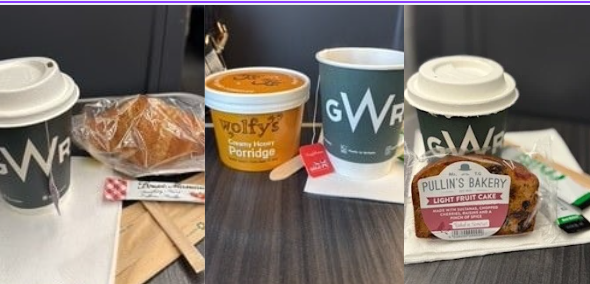
The other saving element of a 'sale' first-class ticket is the free food and drink. On my morning journeys I had cups of tea, croissants, and porridge. On the way home, there were soft drinks (and even wine during certain times). You can also use first-class lounges where they're available.
Of course, as a MoneySaver, I would usually take my own tea and snacks, so it's harder to say what I've directly saved here. But if you consider that a cup of tea and a slice of cake on GWR cost £4.60, you could argue I've saved hundreds alone by taking my own tea.
The biggest things I've learned
Here are the take-homes in a handy list for you – hoping that they'll save you some commuting cash, too:
-
Always claim Delay Repay, even if it’s a few quid. Set up automated Delay Repay if you can (I do this via the GWR app).
-
Ditch Trainline or other third-parties charging a booking fee, and go to a regional provider instead. I’ve saved £131 by switching from Trainline to the GWR booking app halfway through the year of travel used for this blog.
-
Keep your eye out for sales. We’ll share them in the MSE Weekly Email.
-
Book and plan in advance. This will get you cheaper fares. It does mean some calendar/time planning and sometimes having to commit to getting a certain train, but can mean a difference of £20 or more per journey.
-
Take your own tea/coffee and snacks. The cost of these can really add up if you're buying them daily!
If you're commuting within London, check out MSE Petar's blog on how you can save £100s on tube, DLR and Elizabeth line fares.
Want to find out if a season ticket can save you money? Read more on season tickets.
If buses are your thing, head on over to MSE Laura's guide to bus travel.



Share this guide?


 Latest weekly email





Recent blogs
 9 March 2026


