
Scottish Budget 2026: Income Tax and Council Tax changes confirmed – here's what they mean for you


Scottish Finance Secretary Shona Robison has announced a rise in some Income Tax thresholds, new Council Tax bands for high-value properties, and an increase to the Scottish Child Payment, plus more as part of the Scottish Budget for 2026-27. We've rounded up the key changes and what they mean for you.
The changes in Scotland come after the Chancellor Rachel Reeves shared her Autumn Budget in November 2025.
From April 2026: Basic and intermediate Income Tax thresholds will rise
In Scotland, most Income Tax rates and thresholds are set by the Scottish Government. In England, Northern Ireland and Wales, they're set by the UK Government.
Robison announced today that basic and intermediate Income Tax thresholds will increase by 7.4% from April 2026. We've highlighted the changes in bold in the table below:
Income Tax bands and rates | 2025/26 earnings thresholds | 2026/27 earnings thresholds |
|---|---|---|
Personal allowance (0%) | Between £0 and £12,570 | Between £0 and £12,570 |
Starter (19%) | Between £12,571 and £15,397 | Between £12,571 and £16,537 |
Basic (20%) | Between £15,398 and £27,491 | Between £16,538 and £29,526 |
Intermediate (21%) | Between £27,492 and £43,662 | Between £29,527 and £43,662 |
Higher (42%) | Between £43,663 and £75,000 | Between £43,663 and £75,000 |
Advanced (45%) | Between £75,001 and £125,140 | Between £75,001 and £125,140 |
Top (48%) | Over £125,140 | Over £125,140 |
Note: The personal allowance is reduced by £1 for every £2 earned over £100,000.
The changes mean that more of your earnings will be taxed at the lower rates. However, it's important to note that because most of the thresholds have been frozen, you may still end up paying more tax overall. This is due to a process known in economic jargon as "fiscal drag".
Neil Winstanley, chartered financial planner at investment manager Quilter Cheviot, noted that this fiscal drag effect is pulling even "ordinary earners" including "nurses, teachers and police officers" into paying the 42% higher rate of tax.
"Higher-rate taxpayers are therefore likely to be disappointed that their threshold has again been left unchanged... For someone earning £50,000, that difference equates to roughly £1,500 a year in extra tax [compared to the rest of the UK]," Winstanley added.
The Scottish Government has previously said it will not increase the rates at which Income Tax is charged – currently between 19% and 48% – or introduce any new Income Tax bands until the end of this Parliament. It has also committed to raising the upper thresholds on the starter and basic bands at least in line with inflation for this period.
From April 2028: Owners of homes worth over £1 million to pay more Council Tax
From 1 April 2028, homes valued at between £1 million and £2 million will fall under a new Band I, while homes over £2 million will fall under a new Band J. These bands will be based on up-to-date valuations for these properties only, with all other homes remaining in the existing bands A to H.
It's not yet clear how much more affected households might pay; it'll be down to individual councils to set the rates. The current annual bill for a Scottish property in band H – the top band right now – is between £3,378 and £4,082.
In November's Budget, the UK Government announced a similar tax on homes above worth £2 million or more in England, adding an extra charge for these properties on top of regular Council Tax payments from April 2028.
Robison did not announce any changes to Stamp Duty on main residences, called Land and Buildings Transaction Tax (LBTT) in Scotland. Stamp Duty on second homes and additional properties, known officially as the "Additional Dwelling Supplement", increased last year, but will remain the same until at least April 2027.
Starting from April 2026: More help for families with children
-
From 1 April 2026, the Scottish Child Payment, paid to families with a child less than one year old, will rise from £27.15 a week to £28.20 a week. Then, from 1 April 2027, an additional payment will be made to eligible families, bringing the weekly total to £40.
-
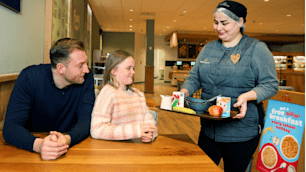
All Scottish primary schools will offer free breakfast clubs by August 2027. Additional funding will be allocated to build on a pilot programme introduced last year that has so far "supported almost 500 breakfast clubs across Scotland".
-
More money will be put towards before- and after-school activities for "families most in need". The Government said this follows "the success of the Scottish Football Association Extra Time programme", which holds activity clubs after school and during holiday periods for children in primary school.
In addition, sports activities during the summer holidays will be free for all via a scheme called 'Summer of Sport'. The Government also announced a universal 'learn to swim' offer, pledging to cover swim school tuition for all primary school children in Scotland.
However, no further details on these initiatives have been announced at this stage.

Share this guide?


 Latest weekly email







Clever ways to calculate your finances


