




Best 0% credit cards
Compare cards with up to 26 months' interest-free spending

Only borrow if you NEED to, as it can lead to problems. But used wisely, 0% spending credit cards are one of the cheapest way to borrow. This guide explains what to watch out for, plus our eligibility calculator will show which cards you've the best odds of getting before you apply.

First, a quick overview of 0% spending cards...
0% spending cards let you borrow interest-free for a set time – ideal for spreading essential costs. Here's how to get a card if you need to borrow.
Check your eligibility first. See your chances across top cards in two minutes (some are 'pre-approved') – with no impact on your credit score:
CHECK YOUR ELIGIBILITYOR, if you're ready, choose a card below. Pick one with a 0% period long enough to repay your borrowing in full. Never used a credit card before? Read the full guide below first.
Bank | Why choose it | 0% period | |
|---|---|---|---|
Guaranteed longest deal with MSE eligibility check | DEFINITE 25 months 0% | CHECK ELIGIBILITY | |
Next-longest guaranteed deal, with MSE eligibility check | DEFINITE 22 months 0% | CHECK ELIGIBILITY | |
Longest 'up to' deal but 0% time varies & no MSE eligibility check | Up to 26 months 0% | ||
Long 'up to' deal and possible £25 cashback, with MSE eligibility check | Up to 24 months 0% | CHECK ELIGIBILITY |
These are our top few cards – see our full review for more options.
If you do get a card, ALWAYS follow the 0% Spending Card Golden Rules:
a) Pick a 0% period long enough to clear the debt in full.
b) Always make at least the minimum monthly repayment.
c) Avoid cash withdrawals – they usually trigger fees and interest.
Now we've given you a brief overview and you understand the basics, let's take you through 0% purchase cards in more detail...
How do 0% purchase cards work?
Put simply, a 0% purchase credit card offers a fixed number of consecutive months where no interest is charged on new purchases.
For example, a 25 month 0% card opened in July 2026 will be interest-free until August 2028. This can save you £1,000s compared with the same borrowing on a standard credit card (assuming you repay over the same period of time) and you get the same credit card protection.
So done right, there's no cheaper borrowing over the medium term – though they're not an excuse to overspend. We'd only suggest using a credit card to borrow for a needed, planned, affordable, one-off purchase. This means borrowing as little as possible and only an amount you can pay back during the 0% period.
Credit card interest rates (APRs) have increased by a few percentage points in recent years – top spending cards currently charge around 25% interest compared with around 20% a few years ago. This means it's become more expensive to borrow, making it more important than ever to avoid borrowing to fill gaps in your income. But if you're doing it anyway, borrowing at 0% is better than paying interest. Do read our Debt help guide for more info.
What is a rep APR?
APR stands for 'annual percentage rate' and is the rate a provider will charge you for borrowing, including the amount of interest plus any fees. Where credit cards use a 'representative APR', it means only 51% of successful applicants must be given the stated rate.
If you get a 0% spending card, you won't be charged ANY interest on your spending during the introductory interest-free period. However, after that ends, you'll be charged interest on any outstanding debt. So, if you fully repay your debt before then, you won't pay a penny.
You can continue to use the card after the 0% period ends, though to avoid paying interest you must repay your balance IN FULL each month. However, there are specialist reward cards which can net you cashback or points on your spending, which are better for day-to-day spending.
The three golden rules
Before applying for a 0% spending card, ensure you read the three golden rules.
1. Pay at least the monthly minimum and stay within the credit limit
Set up a direct debit for at least the minimum repayment as soon as you're accepted. If you miss one, you may lose your 0% deal and get a charge of around £12. It may also be added as a missed payment on your credit report.
You'll also need to be careful not to spend more than your credit limit. If you do, the card provider may end the 0% offer, which means you'll start paying interest.
2. Aim to clear the card during the 0% period
To clear the balance before the interest rate rockets at the end of your 0% period, you'll almost always need to pay back more than the minimum repayment each month. Minimum payments are designed to make debts last as long as possible, which you should try to avoid – see tips to beat this in Danger: Minimum Repayments.
So, unless you have pricey debts elsewhere to prioritise, it makes sense to divide what you spent by the number of 0% months and set up a direct debit to clear it in that time.
For example: £600 over a year is £50 a month to clear. If you've not cleared it in time, see our Balance transfers guide for full information on shifting the amount you owe to another 0% card. Also see How to cancel a credit card if you no longer need it for what you need to consider.
3. Don't balance-transfer or withdraw cash on these cards
While purchases on these cards are interest-free for a number of months, you'll need to check if other uses, such as balance transfers, are as well (see What is a balance transfer credit card?).
Some cards let you transfer a balance over to the same 0% period you would receive for spending, after a one-off fee around 3% of the balance you're transferring. See our Best all-rounders guide for full info.
Cash withdrawals are a different case – interest is usually charged from the date of making the cash withdrawal until it's paid off – so they're best avoided.
Try our free Credit Club
Sign up to MSE's Credit Club to boost your credit power – access our free tools to see how the financial world views you, including:
An Eligibility Rating that combines your credit score, affordability, and market trends.
View your full credit report – your financial CV.
Get personalised acceptance odds for credit cards and loans.
Longest interest-free credit cards
We've highlighted the standout cards here, yet our eligibility calculator has many more, so it's best to use that to get your personalised best-buy table. All links in the table go via our calculator (at providers’ request), which also shows if you're 'pre-approved' for any cards – and for a few, can even display a guaranteed credit limit.
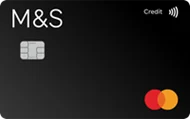
Long, DEFINITE 0%. All accepted via our eligibility calc get the full 25mths at 0%, a strong choice if you can get it. You also get M&S points on spending which can be converted to M&S vouchers – one point for every £5 you spend.
Headline (and only) rate:
25mths 0% (24.9% rep APR after 0%)
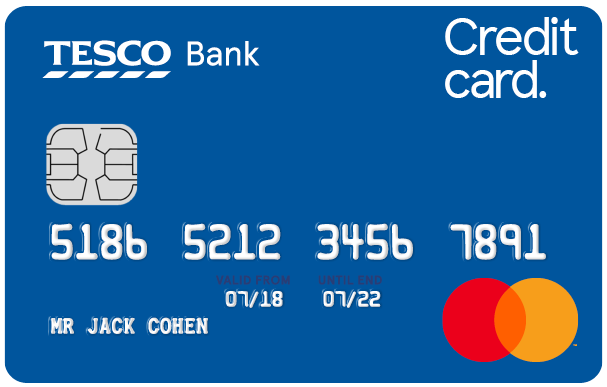
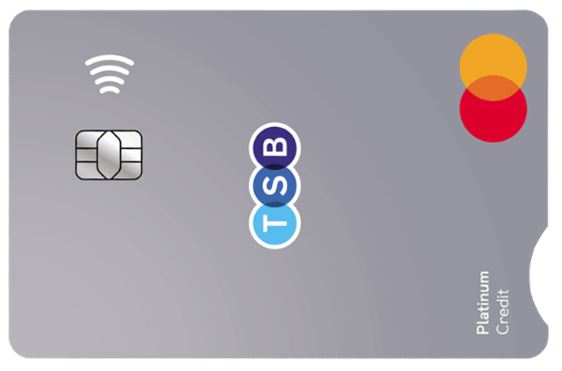
Longest 0%, but it's an 'up to'. If accepted you'll get either 26, 22 or 19 months at 0%. You can only apply for this card direct with TSB (it's not in our eligibility calculator), though it has its own eligibility calculator which will tell you the 0% periods you'll get before you apply. If it's not the headline deal, use our eligibility calculator instead to check if other cards can beat it.
Headline rate:
26mths 0% (24.9% rep APR after 0%)
Backup rates:
22mths 0%, 19mths 0%
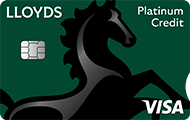
Long 0% period and another 'up to' card, but our eligibility calc shows what 0% you'll get before you apply. The headline deal is 25mths, which is a decent option if you've low odds for other cards in the table with longer 0% periods.
Headline rate:
25mths 0% (24.9% rep APR after 0%)
Backup rates:
24mths 0%, 18mths 0%, 14mths 0%, 12mths 0%

Long 0% 'up to' card but possible £25 cashback. This card could be a solid choice if you're pre-approved in our eligibility calc for the headline rate of 24mths 0%. If you're not pre-approved, you could be accepted but get the worse back-up rate of 15 months 0%, making another card a likely safer bet. (Existing HSBC customer? Use this link).
Plus, apply by 10 Aug and spend £500+ within 60 days of opening the account to get £25 cashback credited to the account within 90 days of hitting the spending target. Note: you won't qualify if you already hold a HSBC Balance Transfer, Purchase, Classic or Student Card or have opened a HSBC credit card within the last 12 months.
Headline rates
24mths 0% (24.9% rep APR after 0%)
Backup rates
15mths 0%
Long 0%, but an 'up to' card with a short backup rate. If you're pre-approved in our eligibility calc you'll definitely get the full 24mths, if not Barclaycard says about 1 in 5 people will get its much shorter 12mth backup rate. So if you're not pre-approved, other cards will likely be safer bets.
Headline rate:
24mths 0% (24.9% rep APR after 0%)
Backup rate:
12mths 0%
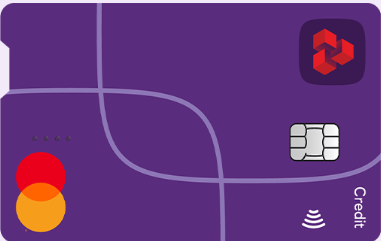
Long 0%, but an 'up to' card with a dynamic backup rate. This card offers backup rates anywhere between 12 and 22 months. If you go through our eligibility calculator, you'll know whether you've got the headline rate or one of the backup rates before you apply.
Headline rate
23mths 0% (24.9% rep APR after 0%)
Backup rates
12-22mths 0%
How do I apply for these credit cards?
Use our eligibility calculator to find which cards are most likely to accept you. It uses a 'soft search' (which lenders can't use) to calculate and show your percentage chance of getting the top credit cards. This is the best route as it reveals which cards you're most likely to be accepted for WITHOUT impacting on your credit report.
Once you've found one that's likely, click apply and you'll be taken to the lender's site. Then, you'll be able to apply online by filling in any extra details the lender needs and submit your application. For more, see our Applying for a credit card guide.
Top interest-free cards for bad credit
If you have high levels of current debt, missed payments (recent or historic), bankruptcies, county court judgments (CCJs) or individual voluntary arrangements (IVAs), chances are your credit file might not be in the best shape.
Try our eligibility calculator first to check your chances of acceptance for the cards above, but if it shows no or low odds, then the below credit cards...
How to use a 0% period to give a respite from existing debts
First up, we would caution anyone with past credit problems against new borrowing. Yet the 0% spending period on these cards can be used to give you respite and save you money on costly debts, such as overdrafts with high interest. Here's how...
Step 1: Do normal spending on the 0% spending card up to the credit limit. As you're using it instead of cash from your bank account, your income should build up there.
Step 2: Use the money built up in your bank account to reduce your debt (for example, your overdraft). In effect, you've now got the debt on the card instead.
Step 3: No interest is added during the 0% period (up to 12 months, based on the cards below), so you've got until this ends to reduce your overall debt – though you do need to still pay the minimum monthly repayments. Do a budget to work out how to do it.
Step 4: When the interest-free period ends, the rate jumps to the expensive APR of the card, so ensure there's no debt on it. Then focus on repaying the highest APR debt first.

If you can't get these cards, read Credit cards for bad credit for more help to build or rebuild your credit history, and Credit building credit cards if you have a limited credit history.
Cashback sites may pay you for signing up
As an extra boon, members of specialist cashback websites can be paid when they sign up to some financial products. Do check that it's exactly the same deal though, as terms can be different. And remember the cashback is never 100% guaranteed until it's in your account.
Full help to take advantage of this, plus pros and cons, in our Top cashback sites guide.
0% spending cards FAQs
What if my credit limit isn't big enough?
If your credit limit is not high enough to buy what you want, just use as much of the limit of the card you've just got as you can. You could always try to get another 0% purchase card, or look for another way to get the cash. See How much credit limit should I have? and High credit limit cards for more.
What happens at the end of the interest-free period?
When your introductory 0% period ends, you'll start accruing interest on any unpaid balance at the card's APR.
What does APR mean?
APR stands for 'annual percentage rate' and is the interest rate credit card providers charge on any outstanding card debt after any introductory interest-free period ends. When APR is calculated, providers must include the cost of borrowing, plus any fees (eg if the card charges an annual fee for use). Read our full Interest rates guide for more info.
What are the alternatives to a 0% spending card?
Due to long interest-free periods on offer, 0% spending cards are often one of the cheapest ways to borrow. If you can't or don't want to get one of these cards, other options include personals loans, money transfer cards or an overdraft – although beware that these can be a danger debt with interest rates up to a shocking 40% in some cases. Find out more in our Cut overdraft charges guide.
Can you do balance transfers on a 0% spending card?
Sometimes. A few “all-rounder” cards let you transfer balances as well as spend at 0% (usually with a one-off fee of about 3%). But many spending cards don’t – so while you can transfer a balance, you’d be hit with interest straight away. Always check the terms before moving debt.
Other MSE credit card guides... Credit cards for bad credit | 0% money transfer cards | All-rounder cards | Balance transfer credit cards | What is a balance transfer credit card? | Debt help | Getting your first credit card | Student credit cards | How to pay off credit card debt more quickly | Prepaid cards
Why can you trust MoneySavingExpert?
MoneySavingExpert.com is the UK’s biggest consumer finance website, founded by Martin Lewis, offering impartial, research-based tips.
The site's dedicated to cutting your bills and fighting your corner with journalistic research, cutting-edge tools and a massive community – all focused on finding deals, saving cash and campaigning for financial justice.
Share this guide?